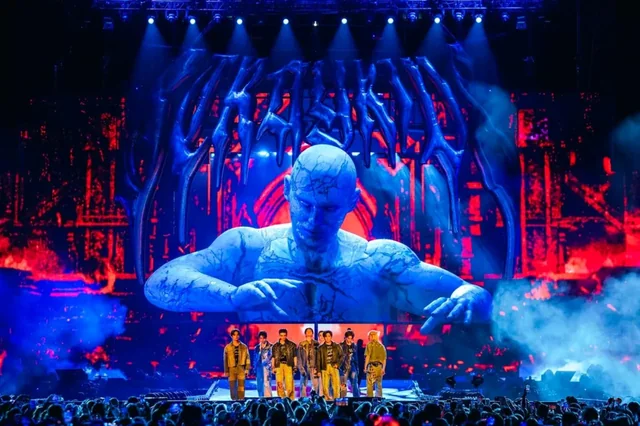
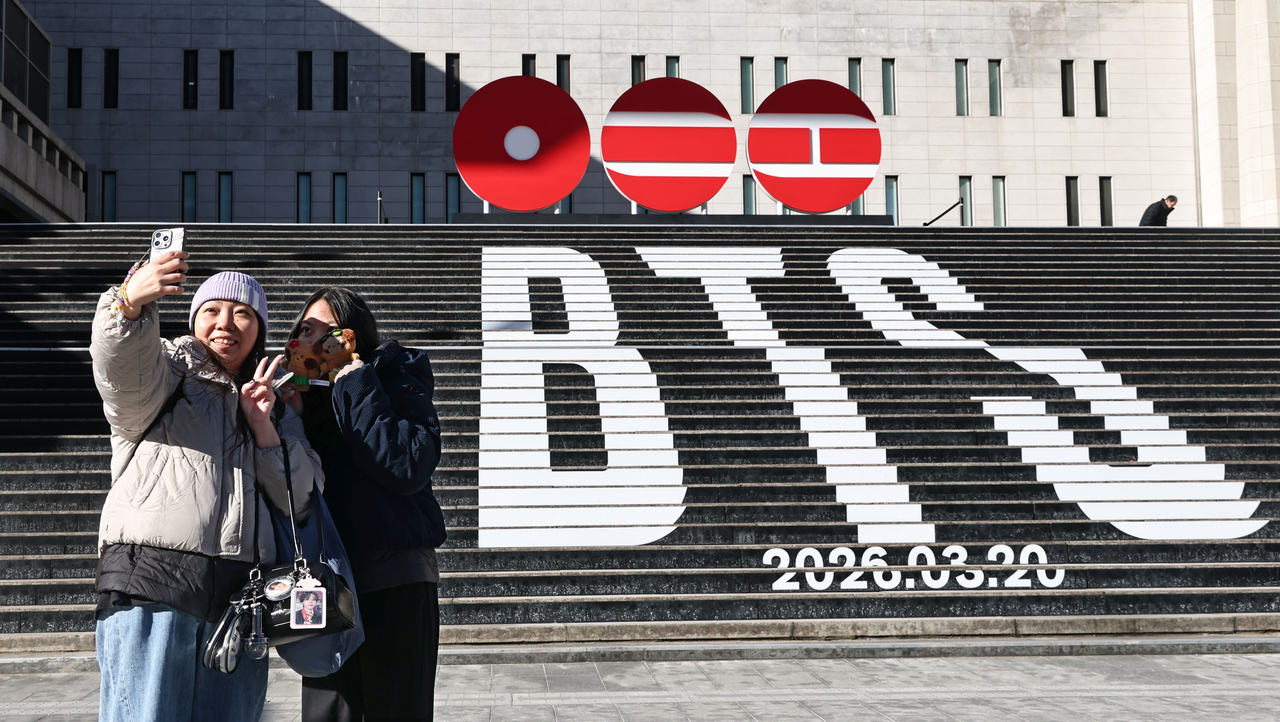
(SEOUL) — On March 20, 2026, the global clock will stop for a moment, then restart with a deafening roar. After a hiatus of more than three years due to mandatory military service, the “Kings of Pop,” BTS, are set to return as a full group. While the music industry anticipates a total takeover of the Billboard charts, an entirely different sector is scrambling to prepare for the fallout: The Global Retail and Logistics Industry.
From the bustling streets of Seoul to the high-end retail districts of New York and Los Angeles, businesses are not just preparing for a comeback; they are preparing for a “Purple Tsunami” expected to generate billions of dollars in economic activity.
The Multi-Billion Dollar Momentum
Historically, a major BTS release is not just an artistic event; it is a macroeconomic stimulus package. In 2020, during the height of “Dynamite,” the South Korean government estimated that a single No. 1 hit on the Billboard Hot 100 generated over $1.4 billion in economic impact.
By 2026, the stakes are even higher. With a global fandom (ARMY) that has grown more organized and affluent during the hiatus, analysts estimate that the “Arirang” comeback could trigger a direct and indirect economic boom exceeding $10 billion. This includes album sales, concert tickets, tourism, and a massive secondary surge in the consumption of K-Beauty, K-Food, and K-Fashion.
Retailers Shift to “Army Mode”
Major South Korean and international retail giants are launching unprecedented marketing campaigns to capture the attention of the estimated 1 billion K-Culture fans worldwide.
- Immersive Pop-Up Experiences: Lotte and Shinsegae in Seoul, along with luxury department stores in North America, are reportedly clearing floor space for “BTS Heritage” pop-up shops. These are not merely stores; they are immersive museums where fans can experience the new album’s concept, buy exclusive merchandise, and engage with interactive AI-driven content.
- The K-Beauty Connection: As the members of BTS have long been icons of the “Glass Skin” trend, K-Beauty brands are preparing “Comeback Kits”—limited edition skincare and makeup sets designed to coincide with the “Arirang” aesthetic. Retailers like KWAVEGO are already seeing a 40% uptick in wholesale inquiries from U.S. retailers wanting to stock BTS-related or BTS-inspired beauty products.
- The “Arirang” Tourism Campaign: The Seoul Metropolitan Government and the Korea Tourism Organization have announced “BTS Road” campaigns, highlighting locations featured in the new album’s visual teasers. Airlines and hotels are offering “Purple Packages,” anticipating a record-breaking influx of international tourists for the expected world tour.
The Logistics Challenge: Why Infrastructure is Key
The sheer volume of merchandise demand creates a logistical nightmare. In the past, fans often faced shipping delays of several months for official merch. In 2026, the industry is leaning on advanced infrastructure to solve this.
This is where the partnership between KWAVEGO and major logistics providers like Jusung Logistics becomes critical. For the 2026 boom, “Business as Usual” is not enough. To satisfy a fan who wants their album or limited-edition lipstick now, the supply chain must evolve.
The move toward Integrated D2C (Direct-to-Consumer) Logistics means that products are pre-positioned in hubs across North America—Chicago, LA, and New Jersey—before the “Order” button is even pressed. By consolidating shipments from dozens of Korean manufacturers into a single dedicated “K-Culture Expressway,” logistics firms are aiming for next-day delivery—a feat previously unheard of for international K-pop merchandise.
A New Era of Live Commerce (K-Live)
The most significant shift in the 2026 comeback is the role of Live Commerce. Traditional e-commerce is static, but the BTS fandom is dynamic. Platforms like K-Live are preparing to host massive real-time shopping events where fans can watch creators break down the “Arirang” look and purchase products instantly.
“The BTS comeback isn’t just about selling a CD,” says a retail analyst at KWAVEGO. “It’s about an emotional transaction. When a fan sees a live stream and feels the community of millions of other ARMYs, the conversion rate is 500% higher than a standard search-based shop. We aren’t just shipping boxes; we are delivering a piece of the culture.”
The Rise of K-Infrasture Stocks
The “BTS Boom” is also reflected in the stock market. While HYBE (BTS’s agency) is the obvious beneficiary, investors are increasingly looking at the “K-Infrastructure” sector—companies that provide the logistics, payment gateways, and distribution platforms that make the global K-Culture trade possible.
Companies like Silicon2 have paved the way, seeing their valuations soar by bridging the gap between Korean products and global fans. Now, as the 2026 comeback approaches, the market is looking for the “Next Big Hub”—the logistics-plus-platform hybrid that can handle the massive volume of the BTS reunion.
Beyond the Music
As March 20, 2026, approaches, the message is clear: BTS is the engine, but the global retail and logistics industry is the fuel. For the first time, the infrastructure is catching up to the fandom.
With dedicated logistics lines, AI-powered wholesale platforms, and real-time live commerce, the “Arirang” comeback will be the largest commercial event in the history of music. When the first notes of the new single play, millions of packages will already be moving through the “Purple Pipeline,” ensuring that the K-Culture explosion is not just heard, but felt in every household across the globe.
Assa! The Kings are back, and the world of commerce will never be the same.