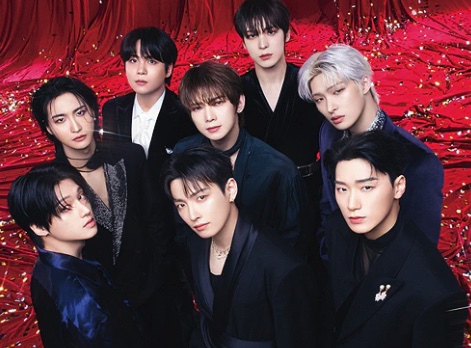
If 2019 was the year K‑pop proved it could top charts, 2026 is the year it proved it doesn’t need to chase them.
The global music industry once operated like a pyramid. Radio programmers, award committees, and a handful of major labels stood at the top, deciding which songs filtered downward. Today, that structure looks less like a pyramid and more like a constellation — and K‑pop is one of its brightest stars.
But here’s the shift: K‑pop is no longer trying to “break into” Western markets. It is building parallel gravity.
The genre’s real innovation is structural. It treats music not as a single product, but as a multi-layered narrative system. A comeback isn’t just a song release — it’s a campaign universe. Concept films. Teaser photos. Lore threads. Dance challenges. Behind-the-scenes vlogs. Live countdowns. Fan calls. Each element expands the story world.
Western pop increasingly borrows this serialized strategy, but K‑pop mastered it first. In a distracted, scroll-heavy culture, serialized storytelling sustains attention longer than standalone hits ever could.
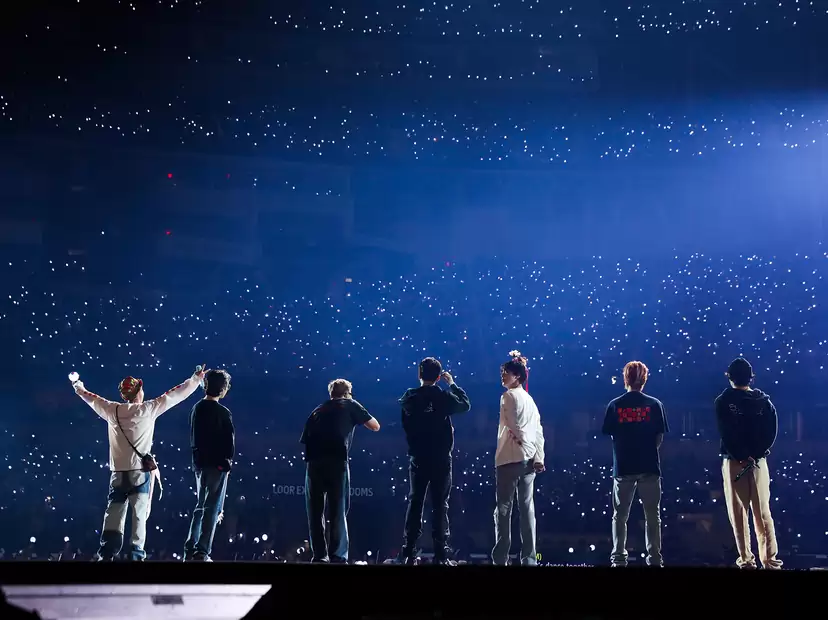
Another defining trait is global simultaneity. When a K‑pop group releases a track, São Paulo, Jakarta, Los Angeles, and Paris react at the same time. Fandoms function like decentralized PR firms, translating content instantly, coordinating streaming, and amplifying clips across platforms. It is organized passion.
Yet the most fascinating development may be aesthetic elasticity. K‑pop doesn’t protect genre borders. Hyperpop, Afrobeats, Latin rhythms, trap, orchestral ballads — they coexist within a single album. Instead of authenticity through purity, K‑pop offers authenticity through adaptability. It reflects how Gen Z consumes culture: fluidly and without apology.
Of course, this system is not without tension. Questions around artist wellbeing, contract transparency, and sustainability are becoming louder. But that scrutiny signals maturity. A global industry is now being evaluated by global standards.
Why This Matters Globally
K‑pop demonstrates that cultural power no longer depends on geographic dominance. It depends on infrastructure — training systems, digital fluency, fan ecosystems, and visual storytelling.
Practical Takeaways
- Watch how K‑pop integrates visual narrative into music releases — it’s a blueprint for modern branding.
- Study fandom behavior as a case model for digital community organization.
- Notice how genre hybridity reduces cultural barriers.