New York, Manhattan — January 20, 2026
The New Golden Hour in Midtown Manhattan
It is 7:00 PM on a Tuesday in New York City. While the financial district begins to quiet down, Manhattan’s 32nd Street—the iconic “K-Town”—is pulsating with an energy that rivals Times Square. At the flagship bb.q Chicken outlet, the scene is a vivid tableau of modern Americana. The underground dining hall is a sea of diverse faces, but the menu is singular: Korean Fried Chicken.
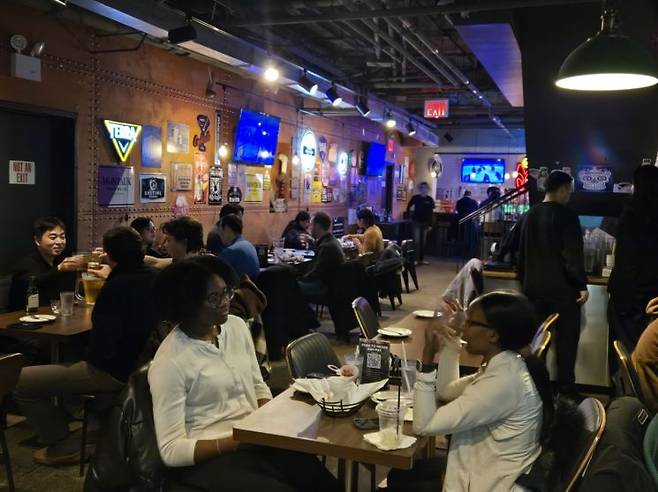
Here, the ritual of “Chimeak” (a portmanteau of chicken and maekju, the Korean word for beer) has transcended its cultural origins to become a staple of the New York after-work scene. Groups of Gen Z professionals and college students huddle over glowing plates of “Secret Spicy” chicken, side-ordered with Tteokbokki (spicy rice cakes) and Kimchi fried rice.
“I don’t just come here for a meal; I come for the vibe,” says Madison, a NYU student who frequents the spot. “I first discovered K-food through mukbangs on TikTok, but now it’s a lifestyle choice. It’s trendy, it’s spicy, and it feels more ‘hip’ than your average burger joint.”
From Niche Content to Lifestyle Standard
This isn’t just a fleeting food craze. Industry analysts are calling this era “K-Wave 3.0.” If the first wave was defined by the viral success of Gangnam Style and the second by the global domination of BTS and Squid Game, the third wave is marked by the quiet, permanent integration of Korean brands into the everyday lives of Western consumers.
Nowhere is this more evident than at Okdongsik on 30th Street. Following the global success of Netflix’s Culinary Class Wars, the restaurant’s signature “Dwaeji-gukbap” (pork soup) has become a “bucket list” item for New Yorkers. What was once considered a humble, local dish in Korea is now being debated with the same gastronomic intensity as a Michelin-starred French consommé. The crowd is a mix of “culinary pilgrims” and locals who have traded their evening ramen for a bowl of refined Korean broth.
The “Olive Young” Effect: K-Beauty’s Retail Domination
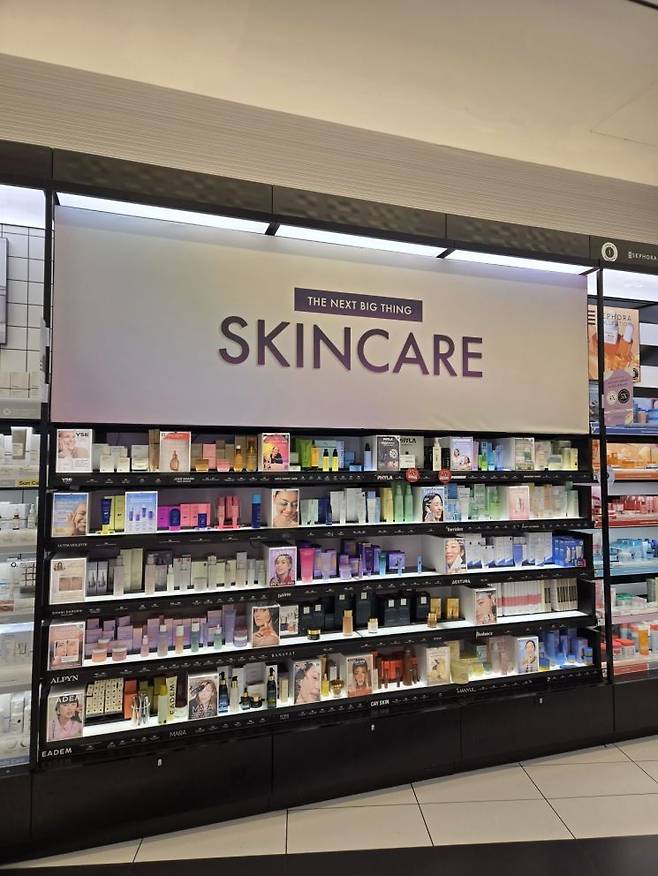
The “K-Effect” extends far beyond the kitchen. At Ulta Beauty—often dubbed the “Olive Young of America”—Korean skincare has moved from the bottom shelves to center stage. The dedicated “Korean Skincare” aisle at the 34th Street location is a hive of activity.
“I used to be strictly into J-Beauty, but K-Pop opened the door to K-Beauty for me,” says Martinez, a 28-year-old marketing professional clutching a stack of sheet masks. “Korean products are perceived as being 10 years ahead in R&D. There’s a level of trust in the technology and the ingredients—it feels scientific yet accessible.”
A few blocks away at Sephora near Times Square, the story repeats. Major Korean brands like Torriden, Aestura, and Innisfree have secured prime “end-cap” real estate. A Sephora staff member notes that the demographic has shifted: “It’s not just K-Pop fans anymore. It’s everyone from 20-somethings to 40-year-olds who want that ‘glass skin’ look they see on Instagram and TikTok.”
Market Explosion: The $2 Billion Benchmark
The numbers backing this cultural shift are staggering. According to NielsenIQ, K-Beauty sales in the U.S. are projected to reach $2 billion by the end of 2025—a 37% year-over-year increase from $1.5 billion in 2024. This growth is particularly remarkable given that the broader U.S. cosmetics market is struggling to maintain single-digit growth.
Experts point to the synergy between OTT platforms (Netflix, Disney+) and e-commerce. As viewers binge-watch K-Dramas, they are simultaneously exposed to Korean fashion, food, and skincare, which are then immediately available for purchase via Amazon or specialized K-Beauty apps.
The Future: A Sustainable Cultural Export
“K-Culture has transitioned from a product to a lifestyle,” says Cho Hee-jin, Director of the Korea Tourism Organization’s (KTO) Americas Center. “Consumers are no longer just buying a bottle of serum or a plate of chicken. They are buying into the ‘Korean way of life’—the aesthetics, the values, and the meticulous attention to detail.”
This lifestyle integration is serving as a powerful catalyst for tourism. The KTO reports that the “K-experience” in the U.S. is directly translating into flight bookings. Consumers who have integrated K-food and K-beauty into their daily routines now view a trip to Seoul not as a visit to a foreign land, but as a journey to the “source” of their preferred lifestyle.
As “K” continues to be the ultimate signifier of “cool” in the U.S. mainstream, the challenge for Korean brands will be moving beyond the trend to become a permanent fixture of the American household. For now, in the heart of Manhattan, the K-Wave shows no signs of breaking.