K-fashion’s global narrative is shifting from “cool factor” to “commercial infrastructure,” and today’s hottest story is Seoul’s unusually direct approach: link fashion week exposure to retail distribution and measurable sales outcomes in Europe.
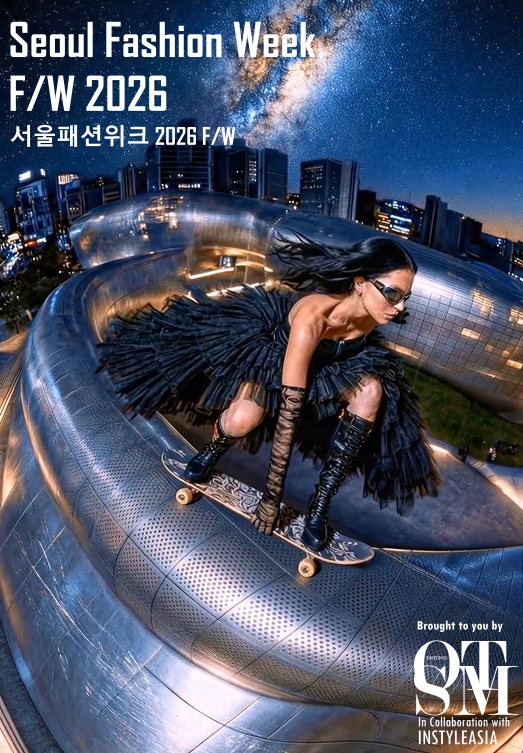
Seoul’s official announcement says five “Seoul-selected” designers are advancing into Milan concept-store sales channels, aligned with the 2026 F/W Seoul Fashion Week. The selected brands—AMOMENTO, BISFXXK, DAILY MIRROR, JADEN CHO, and KIMHĒKIM—are framed not just as creative picks, but as export-ready labels being placed into a curated pathway that connects Korean fashion institutions with Milan’s market gatekeepers.
The detail that matters is the “real-world sales” language. Rather than treating a Milan appearance as pure PR, this initiative explicitly targets sell-through and wholesale relationships. Reporting on the same program emphasizes the structure: runway/presentation visibility paired with tangible retail placement, backed by the city’s partnership with Italy’s national fashion association (CNMI). That kind of government-supported commercial bridge is a competitive advantage for emerging brands—reducing the cost and friction of entering high-end European retail ecosystems.
Meanwhile, global fashion media is also treating Seoul as a serious convening node. WWD reports on the Seoul Fashion Forum co-hosted with the Seoul Metropolitan Government, positioning Seoul as a place where global fashion leaders show up to discuss business realities—supply chains, expansion, and platform strategy—rather than just aesthetics.
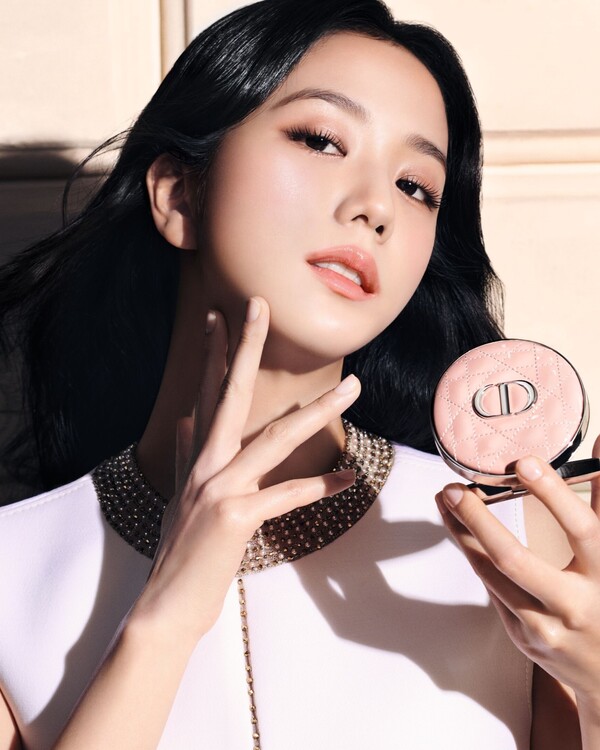
And within that broader context, K-fashion’s celebrity gravity keeps expanding. A Tatler Asia piece dated today tracks how a top K-pop figure’s brand relationships continue to influence the fashion marketplace, reinforcing why Korean stars remain such powerful multipliers for luxury and mass labels alike.