
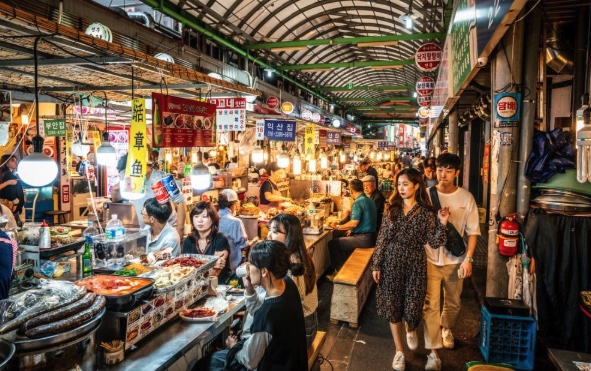
If culture could be tasted, Korean cuisine would feel like a map drawn in flavor. Each dish reveals something about history, geography, and the human instinct to gather around a shared table.
Unlike many Western meals structured around a single centerpiece dish, Korean dining resembles a constellation. At the center sits a bowl of rice and perhaps a soup or stew. Surrounding them are numerous small side dishes called banchan.
Together they form a dynamic landscape of flavors.
Spicy kimchi might sit beside sweet braised potatoes. Crisp pickled radish contrasts with savory grilled meat. Seaweed salads and fermented soybean paste add additional depth.
Every bite becomes a small exploration.
Fermentation is the culinary backbone of this system. Kimchi, gochujang (chili paste), and doenjang (soybean paste) develop complex flavors through slow microbial processes. These ingredients provide both depth and nutritional benefits.
Long before probiotics became fashionable, Korean kitchens were already masters of fermentation.
Another defining feature of Korean cuisine is its communal nature. Meals are rarely solitary experiences. Dishes are placed at the center of the table, encouraging people to share, pass plates, and sample different combinations.
Conversation flows naturally as flavors circulate.
In recent years, Korean food has gained global recognition through cultural exports like films, dramas, and travel shows. Scenes of sizzling barbecue grills or steaming noodle bowls ignite curiosity among viewers around the world.
Suddenly, audiences want to taste the dishes they see on screen.
Street food culture adds another layer of excitement. Markets in Seoul offer spicy rice cakes, crispy pancakes, and skewered meats that showcase the playful energy of Korean cooking.
Perhaps the most fascinating development is the rise of Korean fusion cuisine. Chefs worldwide are experimenting with kimchi tacos, gochujang pasta, and Korean fried chicken sandwiches.
These creations demonstrate how culinary traditions evolve when cultures intersect.
Yet despite global experimentation, the core philosophy of Korean cuisine remains unchanged: balance, fermentation, and shared experience.
Food is not just sustenance—it is connection.
Practical Takeaways
- Add gochujang to marinades or sauces for depth and spice.
- Incorporate fermented foods like kimchi into everyday meals.
- Share dishes with friends to recreate the communal Korean dining tradition.